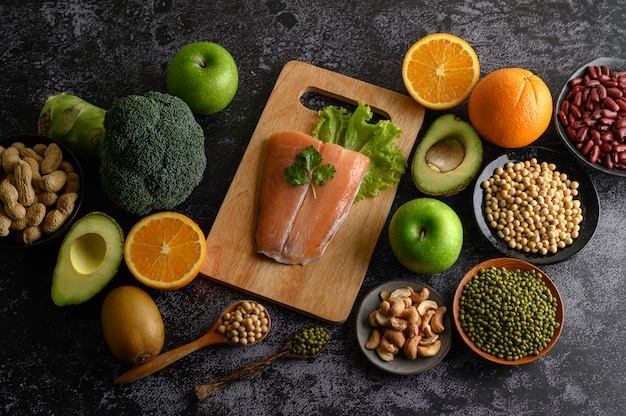
Stocking a healthy pantry is the first step in creating nutritious meals that support your well-being. Whether you’re cooking for yourself, your family, or hosting a meal for friends, having the right ingredients on hand makes it easier to prepare healthy and delicious meals. The key is to focus on must-have healthy pantry staples that are versatile, nutrient-dense, and long-lasting. With these essentials, you’ll always have the building blocks of a wholesome dish, even on the busiest of days.
So, what are the healthy pantry essentials every well-stocked kitchen should have? Let’s dive into the list of pantry staples that provide a foundation for countless nutritious meals. From grains and legumes to oils and spices, this list will guide you toward making your pantry a true asset for maintaining a healthy diet.
1. Whole Grains for a Nutrient Boost
Whole grains are a cornerstone of any healthy pantry. Unlike their refined counterparts, whole grains retain their natural fiber, vitamins, and minerals, which are essential for digestive health and sustained energy levels. When stocking a healthy pantry, consider including a variety of grains such as quinoa, brown rice, farro, barley, and whole wheat pasta. These grains are incredibly versatile and can be used in a variety of dishes, from salads to stir-fries to soups.
One of the nutritious foods for your pantry that shouldn’t be overlooked is rolled oats. Not only are they perfect for breakfast, but they can also be used in baking, added to smoothies, or incorporated into savory dishes for added texture. Keeping these grains on hand guarantees that you always have a quick, healthy base for your meals.
2. Legumes and Beans for Protein Power
Legumes and beans are fantastic plant-based protein sources that are both affordable and filling. Whether you prefer chickpeas, black beans, lentils, or kidney beans, these pantry staples provide an excellent dose of fiber, protein, and essential minerals. When stocking a healthy pantry, make sure to have several types of beans and legumes at your disposal. These can be added to salads, made into hearty soups, or mashed for spreads like hummus.
Lentils, in particular, are a must-have because they cook quickly and can be used in a variety of ways, from curries to veggie burgers. Beans and lentils not only help boost the nutritional profile of any meal but also provide a satisfying and sustainable energy source throughout the day.
3. Healthy Oils and Fats
Healthy fats are essential for hormone regulation, brain health, and the absorption of fat-soluble vitamins. Healthy pantry essentials should always include a variety of healthy oils to support these needs. Olive oil is a classic and versatile choice, perfect for sautéing, drizzling over salads, or even roasting vegetables. Coconut oil is another great option, especially for baking or when you want a hint of tropical flavor in your dishes.
Avocado oil is another top contender for nutritious foods for your pantry, offering a high smoke point for cooking and a mild flavor for dressings or marinades. These healthy fats help balance your meals, providing richness and flavor without compromising your health.
4. Nuts and Seeds for Snacking and Cooking
Nuts and seeds are packed with healthy fats, fiber, and protein, making them a perfect addition to any meal or snack. Almonds, walnuts, sunflower seeds, and chia seeds are excellent choices for your pantry. They can be eaten on their own as a quick snack, added to smoothies for an extra boost, or sprinkled over salads and yogurt.
In addition to being a great source of nutritious foods for your pantry, nuts and seeds are incredibly versatile in cooking. Use almond meal as a gluten-free flour alternative in baking, or sprinkle hemp seeds on top of oatmeal for a protein boost. Flaxseeds are another fantastic pantry addition, known for their heart-healthy omega-3 fatty acids.
5. Canned and Frozen Vegetables for Convenience
While fresh produce is always ideal, stocking a healthy pantry with canned and frozen vegetables can help ensure you have access to nutrient-rich foods at any time. Frozen vegetables are typically picked at their peak ripeness and flash-frozen to preserve their nutritional value, making them a convenient and nutritious option for soups, stews, and stir-fries.
Canned vegetables, such as tomatoes, artichokes, and beans, are also handy to have on hand. Just be sure to choose options with no added salt or sugar. Canned tomatoes, in particular, are a versatile ingredient, perfect for making homemade sauces, soups, or curries. Keep these in your pantry to add color, vitamins, and minerals to your meals effortlessly.
6. Spices and Herbs for Flavorful Meals
No healthy pantry is complete without a variety of spices and herbs to enhance flavor without adding excess calories, sugar, or salt. Spices like turmeric, cumin, paprika, and chili powder can transform simple dishes into flavorful masterpieces. Dried herbs like oregano, thyme, rosemary, and basil are perfect for seasoning a range of meals, from pasta to roasted vegetables.
Incorporating fresh herbs such as cilantro, parsley, and mint when available can elevate your meals with added freshness. By relying on these pantry staples, you can turn any dish into a burst of flavors, making healthy meals exciting and enjoyable.
7. Nut Butters for Healthy Fat and Protein
Nut butters, such as almond butter, peanut butter, and cashew butter, are another great addition to your pantry. They are rich in healthy fats, protein, and fiber, making them perfect for quick breakfasts, snacks, or adding to smoothies for an extra nutrient boost. Look for options with minimal added sugar or oils to maximize the health benefits.
Nut butters are versatile; spread them on whole-grain toast, stir them into oatmeal, or use them in dressings and sauces for savory dishes. Their creamy texture and nutty flavor make them a favorite in many healthy recipes.
8. Whole Grain Pasta and Noodles
Whole grain pasta is an excellent choice for adding variety and nutritional value to your meals. With more fiber and nutrients than refined pasta, whole wheat or brown rice pasta can be used in a variety of Italian dishes, from spaghetti to pasta salads, or even as a base for veggie-packed casseroles.
Pasta made from lentils or chickpeas is another great option, providing extra protein and fiber. Having these whole grain pasta options stocked in your pantry ensures that you can whip up a quick, balanced meal in no time.
Conclusion
When stocking a healthy pantry, focusing on versatile, nutrient-dense ingredients is key to building a foundation for a balanced diet. Having a variety of must-have healthy pantry staples such as whole grains, legumes, healthy oils, and spices can make preparing nutritious meals simple and enjoyable. By keeping these essential foods on hand, you’ll always have the tools you need to make delicious, healthy meal choices that support your health goals. With a well-stocked pantry, the possibilities for healthy, flavorful meals are endless!