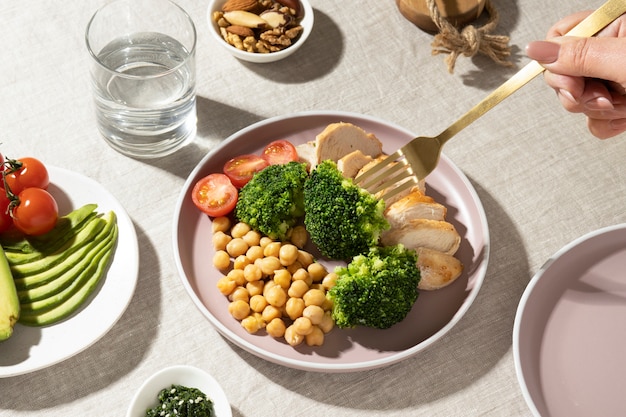
Building a balanced plate with healthy foods is the foundation for nourishing your body and maintaining energy throughout the day. The key to creating a healthy plate composition lies in knowing how to combine the right nutrients in the right proportions. By focusing on the quality of your ingredients and ensuring a diverse range of nutrients, you can create meals that are both satisfying and full of flavor.
A balanced meal doesn’t have to be complicated or time-consuming. With a few simple principles in mind, you can craft delicious and wholesome dishes that support your overall health. Here are some essential tips for building a nutritious meal that delivers all the benefits of a well-rounded diet.
1. Divide Your Plate into Proportions
The first step in creating a balanced plate is understanding how to divide your plate into the right proportions. A simple method to follow is the 50-25-25 rule. Half of your plate should be filled with vegetables, fruits, and other high-fiber foods, while a quarter should be filled with lean protein, and the remaining quarter with whole grains or complex carbohydrates.
This visual approach makes it easy to balance your meals without the need for precise measurements. It ensures you’re getting a healthy mix of nutrients that support digestion, muscle function, and sustained energy. The more colorful your plate, the better – vibrant vegetables and fruits bring antioxidants and essential vitamins, while whole grains and lean proteins provide the energy your body needs to thrive.
2. Focus on Nutrient-Dense Vegetables
Vegetables should take center stage in every healthy meal. The fiber, vitamins, and minerals they provide are essential for your overall health. Aim for a variety of colors on your plate, as different colors signify different nutrients. For example, dark leafy greens like spinach and kale are rich in iron and calcium, while orange vegetables like sweet potatoes and carrots are packed with beta-carotene, which promotes eye health.
One of the balanced meal tips for getting the most from your veggies is to focus on nutrient-dense options, especially leafy greens, cruciferous vegetables (such as broccoli, cauliflower, and Brussels sprouts), and other fibrous vegetables like bell peppers and zucchini. These veggies are low in calories but high in essential nutrients, making them the perfect addition to any meal.
3. Choose Lean Proteins
When it comes to building a nutritious meal, protein plays a crucial role in supporting muscle repair, immune function, and maintaining a sense of fullness. The quality of protein you choose matters – lean sources such as chicken, turkey, fish, beans, tofu, and legumes are ideal. These protein sources provide essential amino acids without the added saturated fat that can be found in some meats.
For a healthy plate composition, aim to fill one-quarter of your plate with your protein of choice. Fish, like salmon or tuna, is an excellent option, rich in omega-3 fatty acids that are beneficial for heart health. Plant-based proteins like lentils and chickpeas are not only healthy but also help diversify your nutrient intake.
4. Incorporate Whole Grains
When it comes to carbohydrates, not all options are created equal. Choosing whole grains over refined grains ensures that you’re getting more fiber, which aids in digestion and helps regulate blood sugar levels. Examples of whole grains include quinoa, brown rice, farro, barley, and whole wheat bread or pasta.
For a well-rounded balanced meal, allocate about one-quarter of your plate to whole grains. These grains are rich in B vitamins, iron, and fiber, which contribute to overall health, support energy production, and keep you feeling full for longer periods. Swapping refined grains for whole grains is one of the most impactful changes you can make to your diet for long-term health.
5. Don’t Forget Healthy Fats
Fats are an essential part of any balanced meal, but the key is to focus on the right types of fats. Healthy fats, such as those found in avocado, nuts, seeds, and olive oil, support brain health, hormone balance, and the absorption of fat-soluble vitamins like vitamins A, D, E, and K.
When building a nutritious meal, a small serving of healthy fats should be incorporated into your plate. A drizzle of olive oil on roasted vegetables, a handful of almonds on a salad, or a few slices of avocado with your protein and grains can add both flavor and health benefits to your meal. Avoid excessive consumption of trans fats and limit saturated fats to ensure a truly nutritious meal.
6. Balance Your Meal with Hydration
While food is a major focus of creating a healthy plate composition, don’t overlook the importance of hydration. Water is essential for digestion, nutrient absorption, and overall well-being. Be sure to drink water throughout the day, and consider adding hydrating foods to your plate as well.
Vegetables like cucumbers, tomatoes, and lettuce have high water content, helping you stay hydrated while also providing essential nutrients. Herbal teas, coconut water, or water infused with fruits like lemon or berries can be a refreshing and healthy way to support hydration during your meals.
7. Flavor Your Meal Wisely
One of the most enjoyable aspects of building a balanced plate is experimenting with flavors. Fresh herbs and spices are not only delicious but can also contribute to health benefits. For example, turmeric has anti-inflammatory properties, while garlic is known for its immune-boosting effects.
Instead of relying on heavy sauces or salty condiments, use herbs like basil, cilantro, parsley, and rosemary to brighten up your meal. A squeeze of lemon or a dash of vinegar can also add a punch of flavor without extra calories. The right seasoning can elevate your meal, making it both flavorful and nutritious.
Conclusion
Building a balanced meal is all about creating a harmonious plate that includes a variety of nutrients to fuel your body. By following the principles of healthy plate composition, you can ensure that each meal contains the right balance of vegetables, proteins, whole grains, and healthy fats. With the right knowledge, you can easily craft meals that are not only nourishing but also bursting with flavor.
Remember, building a nutritious meal is a simple process that doesn’t require complex recipes or ingredients. With a few balanced meal tips, you’ll be able to enjoy meals that are as satisfying as they are healthy. By focusing on whole, nutrient-dense foods, you can enjoy the benefits of better health, increased energy, and improved well-being with every meal. So, the next time you sit down to eat, think about how you can create a healthy plate composition that truly fuels your body and nourishes your soul.