

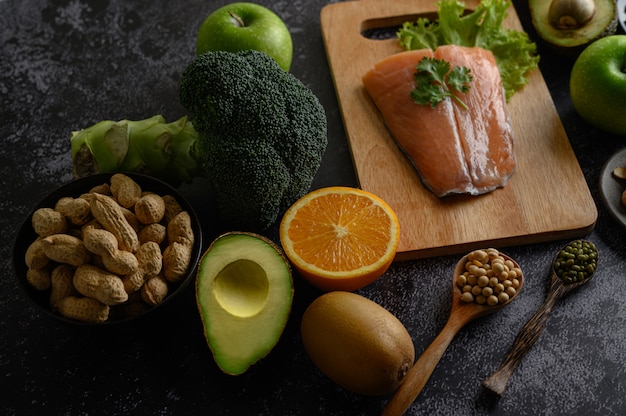
Eating healthy doesn’t mean giving up on flavor. In fact, there are countless ways to enjoy healthy yet tasty foods that will not only nourish your body but also excite your taste buds. With a little creativity and the right approach, you can strike the perfect balance between nutrition and flavor. So, how can you enjoy a balanced food with flavor without feeling like you’re sacrificing anything? Let’s dive into some tips and strategies for choosing flavorful healthy options that make every meal a delicious experience.
1. Embrace Fresh, Seasonal Ingredients
The key to making delicious healthy meal choices that are full of flavor is using the freshest, seasonal ingredients available. Seasonal produce is often packed with more nutrients and vibrant flavors than anything that’s been shipped across the globe. For instance, summer might bring an abundance of juicy tomatoes, sweet berries, and fragrant herbs, while winter offers hearty squash, kale, and citrus fruits. By incorporating these ingredients into your meals, you can elevate the taste without relying on unhealthy additives or excess salt. When you opt for fresh produce, you are not only adding flavor but also giving your body the best it deserves.
2. Use Fresh Herbs and Spices
Herbs and spices are one of the easiest ways to add complex flavor to any dish, and they’re a staple in choosing flavorful healthy options. Fresh basil, rosemary, cilantro, thyme, or parsley can completely transform the taste of your meal. Whether you’re making a salad dressing, seasoning a roasted vegetable, or stirring them into a soup, these natural ingredients pack a punch without adding extra calories, fat, or sugar. Spices like turmeric, cumin, cinnamon, and paprika can also work wonders in bringing out the depth of flavor in both savory and sweet dishes.
Incorporating healthy yet tasty foods like these allows you to create a symphony of flavors that will make every bite exciting and full of complexity.
3. Go for Lean Proteins
Protein is a fundamental part of any healthy meal plan, but it’s important to choose lean sources of protein that won’t overwhelm your dish with excess fat. Chicken breast, turkey, fish (especially fatty fish like salmon or mackerel), and plant-based proteins like lentils and tofu are great options. These protein-rich foods provide all the benefits without compromising flavor.
For example, marinating chicken in a mixture of olive oil, garlic, lemon, and herbs adds a burst of flavor and keeps the meat juicy, all while keeping the calories in check. These delicious healthy meal choices deliver the necessary nutrients your body craves without the heaviness of fatty cuts.
4. Get Creative with Healthy Fats
When it comes to making your meals flavorful, don’t shy away from healthy fats. Avocados, olive oil, nuts, and seeds are all fantastic sources of fat that add richness and texture to your meals. Avocados are perfect for spreading on toast, blending into smoothies, or even using as a creamy base for a salad dressing. Olive oil, especially extra virgin, can be drizzled over roasted vegetables, used as a dip for whole-grain bread, or incorporated into homemade salad dressings.
These balanced foods with flavor not only provide healthy fats but also contribute to heart health, brain function, and satiety. A little goes a long way in boosting the overall taste profile of your dish.
5. Choose Whole Grains Over Refined
When it comes to grains, always choose whole grains for their richer flavor and nutritional benefits. Brown rice, quinoa, farro, and barley are all excellent choices that provide fiber, B vitamins, and essential minerals. Whole grains also add a hearty texture that can make dishes more satisfying.
For example, swapping white rice for quinoa in a stir-fry adds a nutty flavor and extra protein. The next time you’re preparing a grain-based dish, make sure you’re opting for flavorful healthy options that offer both taste and nutrition.
6. Experiment with Healthy Cooking Methods
How you cook your food can make a significant difference in the flavor. Instead of deep frying, which can add unnecessary fats and calories, try roasting, grilling, steaming, or sautéing. Roasting vegetables like carrots, sweet potatoes, and Brussels sprouts enhances their natural sweetness and brings out their earthy flavors. Grilling lean proteins like chicken or fish adds a smoky, charred flavor that enhances the taste without additional calories.
These healthy yet tasty foods are prepared using methods that retain their nutrients and flavors while avoiding excess fats and oils. By exploring essential cooking techniques, you can unlock a whole new world of flavor while keeping your meals light and healthy.
7. Add a Dash of Acid
Sometimes, the secret to a flavorful meal lies in adding a touch of acidity. A squeeze of lemon or lime, a splash of balsamic vinegar, or a drizzle of apple cider vinegar can elevate the flavors in a dish and bring everything together. Acidic ingredients help balance the richness of fats and proteins, creating a well-rounded flavor profile. Try adding fresh lemon juice to your cooked vegetables or a sprinkle of vinegar to your salad dressings. These balanced foods with flavor will excite your taste buds and bring a zing to every bite.
8. Choose Natural Sweeteners
If you’re looking for sweetness without the guilt, consider using natural sweeteners like honey, maple syrup, or stevia instead of refined sugar. These alternatives can be used in everything from smoothies and baked goods to salad dressings and marinades. Not only do they provide a natural sweetness, but they also come with trace nutrients, unlike processed sugar, which offers no nutritional value.
These delicious healthy meal choices allow you to satisfy your sweet tooth while still staying true to your health goals.
9. Keep It Simple
Sometimes, the best way to make a meal flavorful is to keep it simple. You don’t need a long list of exotic ingredients to make a delicious dish. Focus on high-quality, fresh ingredients and let their natural flavors shine. A simple dish of sautéed spinach with garlic, a sprinkle of lemon zest, and a dash of olive oil can be just as satisfying as a complicated recipe. By sticking to the basics, you can create healthy yet tasty foods that are quick, easy, and bursting with flavor.
Conclusion
Eating healthy yet tasty foods doesn’t have to mean sacrificing flavor. By embracing fresh ingredients, using herbs and spices creatively, opting for lean proteins, and mastering healthy cooking techniques, you can enjoy meals that are both delicious and nourishing. Remember, making delicious healthy meal choices is all about finding balance—adding flavor without compromising nutrition. So, the next time you’re planning your meals, be sure to fill your plate with balanced foods with flavor that leave you satisfied and happy with every bite!


